By Maja Jančič
•
July 20, 2026
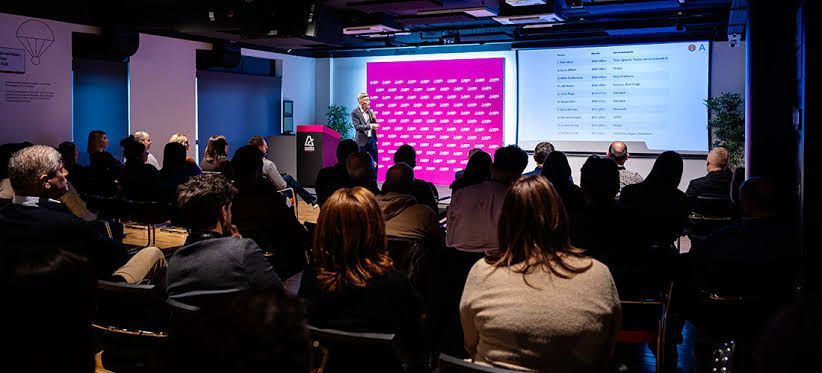
The 34th edition of International Public Relations Research Symposium (BledCom) will be held on JULY 2 & 3, 2027 in Rikli Balance Hotel , Lake Bled - Slovenia (IN-PERSON ONLY) . The main theme of the 34th conference is "THE SOCIAL ROLE FOR PUBLIC RELATIONS IN A TURBULENT WORLD". With each passing year especially in the past decade, it appears as though our world is becoming ever more turbulent. Individuals, organizations, and societies are bribng forced to cope with a world in flux. The very foundation of an established geo-political equilibrium is being severely tested – aided, among other factors, by the increase in illiberal democraticsystems. The world had rejoiced the fall of the Berlin Wall at the end of the 20 th century signaling the end of a bipolar and contentious political order. That elation appears to have been premature as the first quarter of the 21 st century has heralded multipolar geopolitics that has been the source of this turbulence also. The formation of BRIC in 2006 that became BRICS in 2011, the establishment of Quad (Quadrilateral Security Dialogue), the birth of Shanghai Cooperation Organization (SCO) are a few examples of countries trying to jockey for global relevance and impact in the 21 st century. Twentieth century problems such as global warming and human migration have not abated, but have become exacerbated, and continue to add to the state of flux. The calmness of an established world order has also been significantly affected by the meteoric rise of digital media and more recently the onset of Artificial Intelligence (AI) that have simultaneously aided, and disrupted, the life of every human being. This current reality offers us the prime opportunity to be reflective and address the social role of public relations as a practice and scholarly discipline. Therefore, BledCom 2027 invites scholars, practitioners, educators and administrators to reflect on the social role for public relations and its relevance in an increasingly turbulent world. SOME RELEVANT QUESTIONS ARE: Does the practice of public relations have a social role beyond that of being the ‘paid piper’ for an organization? Has the discipline contributed to the current turbulence in the world? If so, how? To what extent has the discipline reflected on its own social responsibility while professing to bethe conduit of communication for Corporate Social Responsibility (CSR)? Does public relations have a role in calming and healing this turbulence? If so, is the discipline even contemplating its role to help calm and heal a turbulent society? Is the discipline equipped to engage in this societal role as healer? Has scholarship adequately addressed the role public relations has played in building just andequitable societies as part of civil society? GUIDELINES FOR SUBMISSION As in previous years, BledCom welcomes all papers related to public relations and strategic communication, not just those addressing the conference theme. Panel proposals are also invited. We invite abstracts between 500 and 800 words (including title, keywords, and references) and panel proposals. Abstracts should include: - Introduction and purpose of the study (including research question if applicable), - Literature review (to situate the work in existing scholarship), - Methodology (including data sources, rationale, and sample), - Results and conclusions (highlighting implications and limitations), - Practical and social implications. Please provide 3–5 keywords that reflect your study. Use APA style (latest edition). Abstracts must be submitted anonymously, with identifying information included on a separate cover page. A list of references is optional but included in the word count. Panel proposals should include: - Title and focus of the panel, - Name of the panel chair, - Names of participants and titles or foci of their contributions. IMPORTANT DATES Submission deadline: Tuesday, February 2, 2027 Notification of acceptance: Tuesday, March 3, 2027 (after peer review) Full papers (up to 6,000 words): due Monday, September 13, 2027, for proceedings. Please send all submissions to: bledcom@fdv.uni-lj.si PROGRAMME COMMITTEE Dejan Verčič, University of Ljubljana and Herman & partnerji, Slovenia Krishnamurthy Sriramesh, University of Colorado Boulder, USA Ana Tkalac Verčič, University of Zagreb, Croatia